Fast Yard Restoration
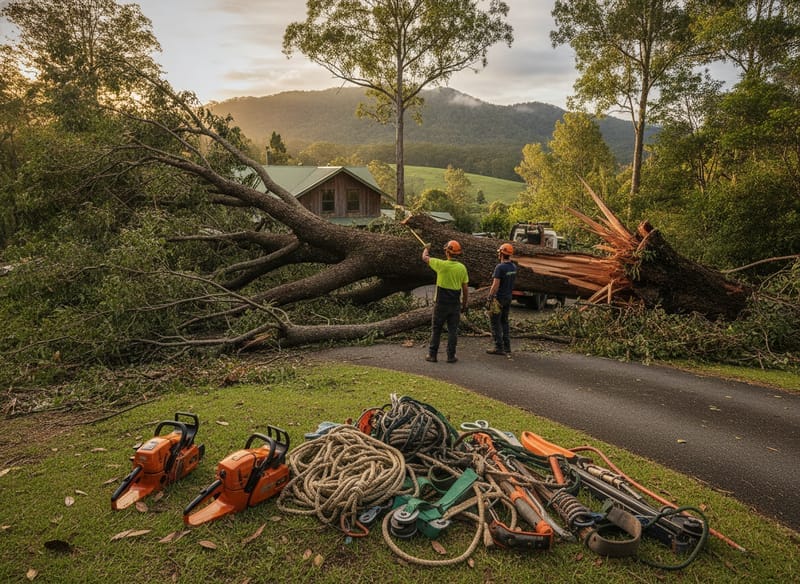
Transform storm-ravaged gardens and driveways covered in tangled timber back into neat, safe spaces.
Post-storm tree recovery, broken canopy clearances, and insurance-ready cleanups across Bundaberg East.
Clearing storm debris throughout Bundaberg East and neighbouring localities
When summer thunderstorms or tropical low systems roll across the Burnett River, heavy tree limbs tear free and saturated root plates fail. Our storm damage tree removal in Bundaberg East provides thorough cleanup, dangerous limb dismantling, and complete yard recovery.
Bundaberg East's combination of river flats, high water tables, and mature spreading Poincianas makes the suburb vulnerable to heavy branch drop during sudden monsoonal squalls.
Transform storm-ravaged gardens and driveways covered in tangled timber back into neat, safe spaces.
Receive clear, itemised arborist invoices and photographic documentation that insurers require.
Identify and remove cracked, stressed branches that could fall weeks after the initial storm event.
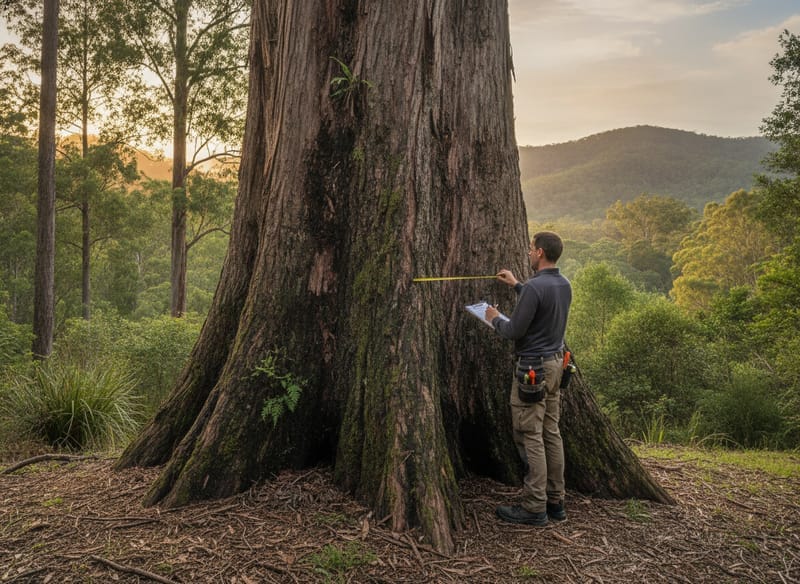
We inspect your property to prioritise imminent structural hazards and determine the required equipment.
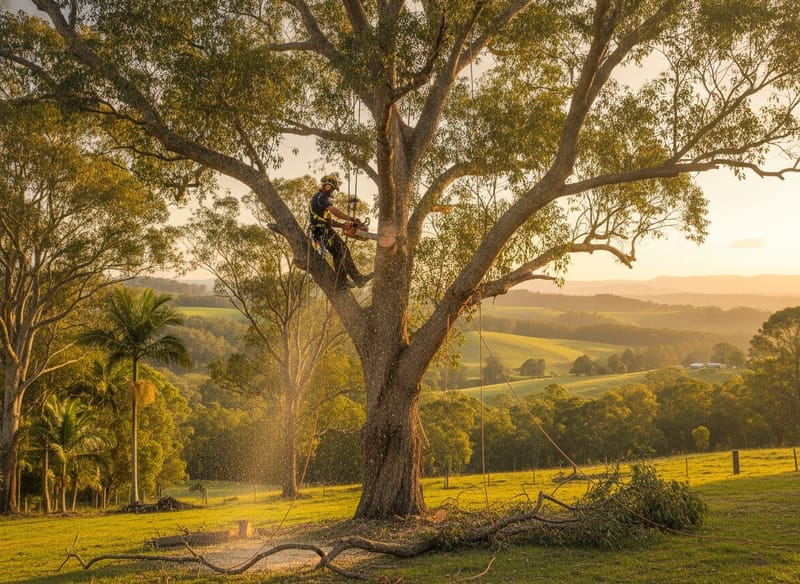
Our arborists safely rig and cut down hung-up branches, broken stems, and unstable trunks.
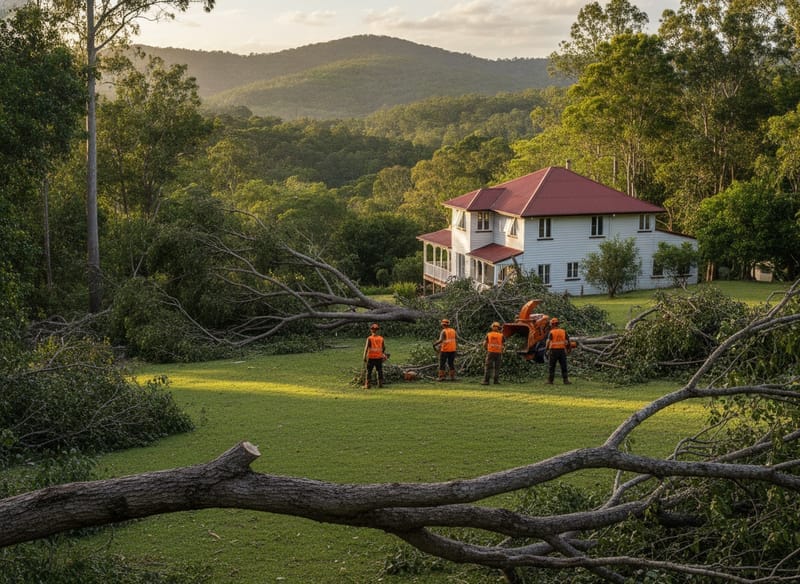
All fallen limbs and canopy foliage are processed through our high-capacity wood chipper.
We rake the grounds clean and provide final photographic proof and documentation for your records.
When severe weather strikes the Burnett region, fast and professional Storm Damage Tree Removal Bundaberg East is essential for protecting homes, clearing infrastructure, and restoring access. Bundaberg’s subtropical climate brings intense east coast lows, cyclone remnants, and severe summer thunderstorms between December and March. Combined with the heavy rains that regularly impact the Burnett River floodplain, our local soils become deeply saturated right when the highest winds hit. This soft ground and high wind combination drives catastrophic root-plate failures and massive limb drop across the city. Whether it is a giant backyard Mango tree that has split down the trunk in Bundaberg East, or a towering Hoop Pine threatening to crush an old Queenslander roof, our team is equipped to handle the worst of it. We are local, highly experienced arborists dedicated to comprehensive tree extraction. We do not just hack at branches; we safely and entirely remove structurally compromised and fallen timber to permanently eliminate the hazard from your property.
Dealing with storm-damaged timber is exceptionally dangerous and completely different from routine tree maintenance. When a mature Moreton Bay Fig or Forest Red Gum falls or partially uproots, the remaining trunk and branches are often trapped under immense, unpredictable tension. A single incorrect chainsaw cut by an inexperienced homeowner can cause a multi-tonne log to violently snap back, roll, or split, leading to fatal consequences or severe secondary damage to your home.
Out-of-town storm chasers or unqualified laborers frequently arrive in Bundaberg East after severe weather, armed with chainsaws but lacking the required AQF Level 3 qualifications or an understanding of complex rigging. They often leave behind dangerous widow-makers, jagged stubs, and heavily compacted soil, turning an emergency into a long-term liability.
Our certified arborist team provides a safe, highly controlled solution. We approach every storm-damaged tree with specialized rigging, heavy lifting equipment, and a strict adherence to safety standards. If a damaged tree can genuinely be saved, our climbers use AS4373-compliant structural pruning. However, when the structural integrity of a large Jacaranda or coastal She oak is destroyed, we completely remove the tree, dismantling it piece by piece to protect your property and fully clear the site.
Extracting large, failed timber from saturated, narrow blocks requires specialized machinery and advanced arboriculture techniques. We deploy tailored methods to safely execute complete tree removals in post-storm conditions.
Our team first conducts an emergency site assessment to categorize hazards. We prioritize immediate threats like a compromised Hoop Pine leaning directly over your roof or heavy branches suspended in a canopy. We stabilize the site, sever hung-up limbs using top-handle climbing saws, and secure the area before commencing full removal.
Fallen trees store massive kinetic energy. Our AQF Level 3 felling specialists use advanced relief cuts to safely release spring poles and tensioned timber without the log splitting or kicking back. This is critical for safely dismantling large Mango or Cotton Tree canopies that have collapsed under storm winds.
For structurally compromised trees that are too dangerous to climb, we utilize EWPs and crane-assisted rigging. This allows us to cut and lift heavy, soaked timber directly over houses and powerlines in the tight, narrow side gaps common around the heritage blocks of Bundaberg East.
We do not leave massive logs rotting in your yard. We process the entire canopy using high-capacity 12-inch wood chippers, converting the brush into manageable mulch. Heavy trunks are sectioned with large ground saws (like the MS500i) and removed from the site using our tipper trucks and mini-loaders, even when the ground is soft.
When you contact us for post-storm tree extraction, we follow a rigorous, step-by-step process to secure your property and efficiently clear the debris. - Step 1: Emergency Triage & Site Assessment We arrive promptly to evaluate the damage. We identify which trees pose an immediate threat to life, structures, or access, and establish safe drop zones. If a tree has impacted your home, we focus purely on safely separating the timber from the structure. - Step 2: Insurance Documentation & Quoting We know that navigating insurance claims is stressful. Before a single cut is made, our team takes comprehensive photographs of the fallen or damaged trees. We provide a highly detailed, itemized quote that clearly outlines the scope of the Storm Damage Tree Removal Bundaberg East, making it straightforward for your insurer to approve. - Step 3: Controlled Dismantling Using double-rope climbing techniques, EWPs, or heavy rigging, we systematically dismantle the failed tree. We carefully lower heavy, soaked sections of trunk and canopy to the ground, ensuring zero secondary damage to fences, sheds, or surrounding gardens. - Step 4: Comprehensive Cleanup Once the hazardous tree is entirely on the ground, we chip all the foliage and branches. We load the heavy logs into our trucks and rake the site clean. If required, we can also grind out the remaining uplifted root plate to leave your yard completely hazard-free.
Storm recovery work carries inherently high risks, which is why absolute compliance and safety are non-negotiable for our team. We are fully covered by comprehensive Public Liability insurance and WorkCover, ensuring total protection for your property and our staff during high-risk removals.
Every climber on our crew holds an AQF Level 3 in Arboriculture and possesses current tickets for aerial rescue, working at heights, and elevated work platforms. For roadside storm damage in Bundaberg East, we hold current Traffic Management qualifications to safely manage public roads. When dealing with damaged but salvageable trees, our make-safe pruning strictly aligns with AS4373 standards, guaranteeing that any retained timber remains structurally sound.
In normal circumstances, tree work in Bundaberg is governed by the Bundaberg Regional Council Planning Scheme 2015. While there is no blanket preservation order over private land, the Biodiversity areas overlay code and the Heritage and neighbourhood character overlay heavily dictate what can be removed, particularly around the older, established blocks of Bundaberg East and Bundaberg Central. However, the massive Burnett River flood of March 2026, which peaked at 7.4m and inundated multiple suburbs, changed the immediate rules. Following the Bundaberg Disaster District declaration, a state disaster clearing exemption is currently active and runs until 9 March 2027. Under this exemption, landholders can legally clear fallen trees and woody debris where it is necessary to prevent property damage, environmental harm, or to maintain existing infrastructure. While this exemption removes the wait for standard approvals, it does not exempt you from doing the work safely or keeping records. We always advise taking clear photos of the hazard before our trucks arrive to ensure complete compliance.
Once our trucks have cleared the fallen timber, your remaining trees require close monitoring. High winds and saturated soils can severely stress trees that appear visually intact. Over the following weeks, inspect the base of large retained species—like Poincianas or mature Mangos—for fresh soil cracking or root plate heave, which indicates the tree is silently failing.
Check the upper canopy for hanging deadwood or sudden epicormic growth (water sprouts), which is a clear sign of severe stress. If you notice structural leaning, dieback, or fungal decay setting into torn bark, call us back for a formal structural assessment. Proactive, AS4373-compliant formative pruning well before the next wet season is the most effective way to protect your property from future storms.
Storm cleanup costs are calculated based on the volume of fallen timber, climbing difficulty, and equipment required.
We provide transparent, fixed written quotes and work collaboratively with insurance assessors.
We provide storm damage tree removal across Bundaberg East and all surrounding Burnett communities.
Contact our local arborist team for professional storm cleanup, branch removal, and insurance support.
Request a Storm Cleanup Quote